

Shipping your belongings overseas without overpaying comes down to three decisions: which method you choose, how much volume you ship, and how well you prepare for customs. Most Americans moving abroad overpay because they default to air freight out of convenience or underestimate how quickly cubic meters add up. Sea freight, shared container shipping (known in the industry as LCL, or less than container load), air freight, and excess baggage each serve a different need. Get the match right and you can cut your shipping bill by thousands of dollars.
What are the main shipping methods for international moves?
Sea freight is the most cost-effective option for large moves. Shared container costs to Europe range from $900 to $2,500, while a full container (FCL) runs $4,000 to $7,500. Destinations in Asia and Australia tend to push costs higher. Sea freight takes 4–12 weeks depending on the route, so it suits household goods you can live without during the transit period.
Air freight is faster, typically 1–2 weeks, but the cost difference is significant. Ocean freight saves 75%–85% compared to air freight for the same volume. That gap makes air freight practical only for urgent shipments or high-value items like electronics or documents you need on arrival.
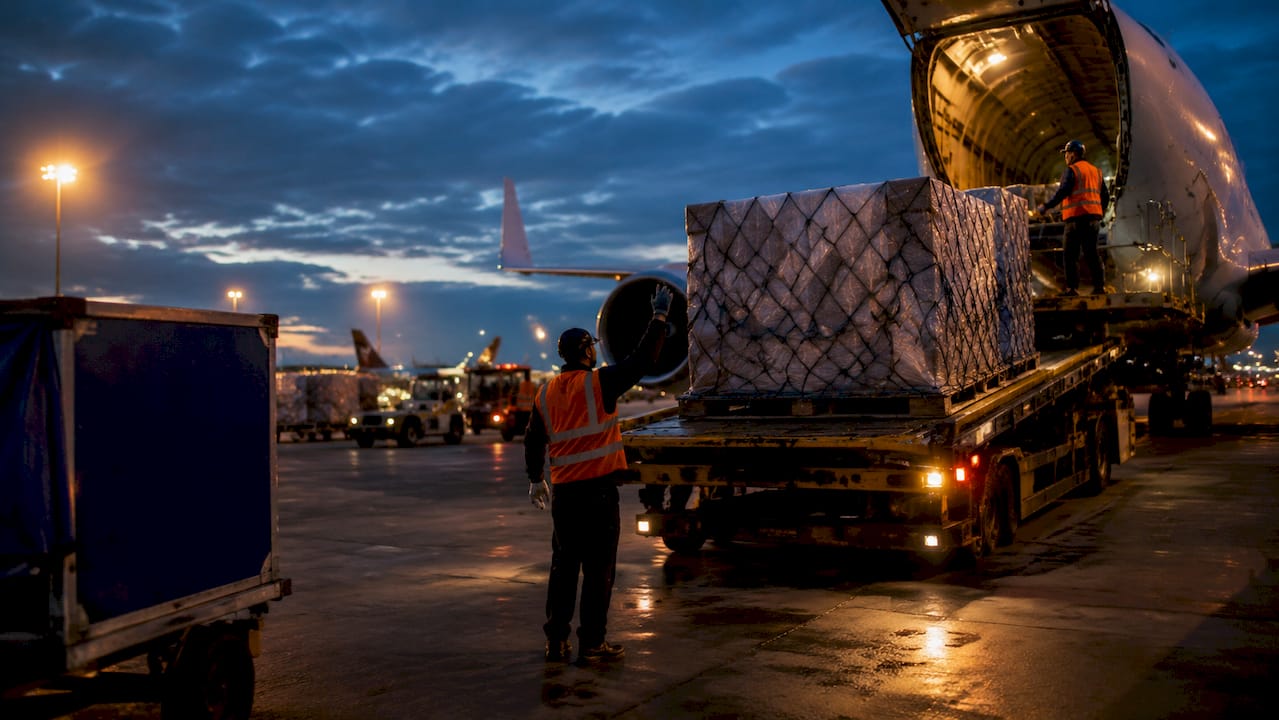
Express couriers such as DHL and FedEx fall into a third category. They are best for small, urgent shipments rather than bulk household goods, and they cost roughly three times as much as standard freight services per kilogram. For anything larger than a few boxes, courier pricing becomes prohibitive fast.
Excess baggage through your airline is worth considering for very small moves. USPS First-Class Package International starts at approximately $19.40 for shipments under 4 lbs, and USPS Priority Mail International starts at around $32.65 for items up to 20 lbs. These options work for documents, books, or a few personal items, not for furniture or full household contents.
| Method | Typical cost range | Transit time | Best for |
|---|---|---|---|
| LCL sea freight | $900–$2,500 | 6–12 weeks | Small to medium moves |
| FCL sea freight | $4,000–$7,500 | 4–10 weeks | Large household moves |
| Air freight | 75%–85% more than sea | 1–2 weeks | Urgent or high-value items |
| Express courier | ~3x freight rates | 3–7 days | Small parcels under 10 lbs |
| Excess baggage / USPS | From $19.40 | 1–3 weeks | Documents and small items |
Tip: Before booking, estimate your shipment in cubic meters. If you are under 10 cubic meters, LCL almost always beats a full container on price. Every box you remove from your shipment saves roughly $50–$150 in shipping costs.
How does volume and distance affect what you pay?
Shipping costs are calculated by cubic meters, not just weight. This surprises many first-time international movers who assume a lighter shipment automatically costs less. A sofa that weighs 80 lbs but takes up 2 cubic meters costs far more to ship than 80 lbs of books packed tightly into boxes. Reducing your volume by ruthless decluttering is the single most effective way to avoid overpaying for container shipments.
Distance matters, but destination port fees and quarantine requirements often matter more. Shipping to Australia or New Zealand adds biosecurity inspection costs that can run several hundred dollars. Shipping to parts of Southeast Asia may involve longer port dwell times and higher handling fees. Always ask your freight forwarder for a destination-specific breakdown, not just a base rate.
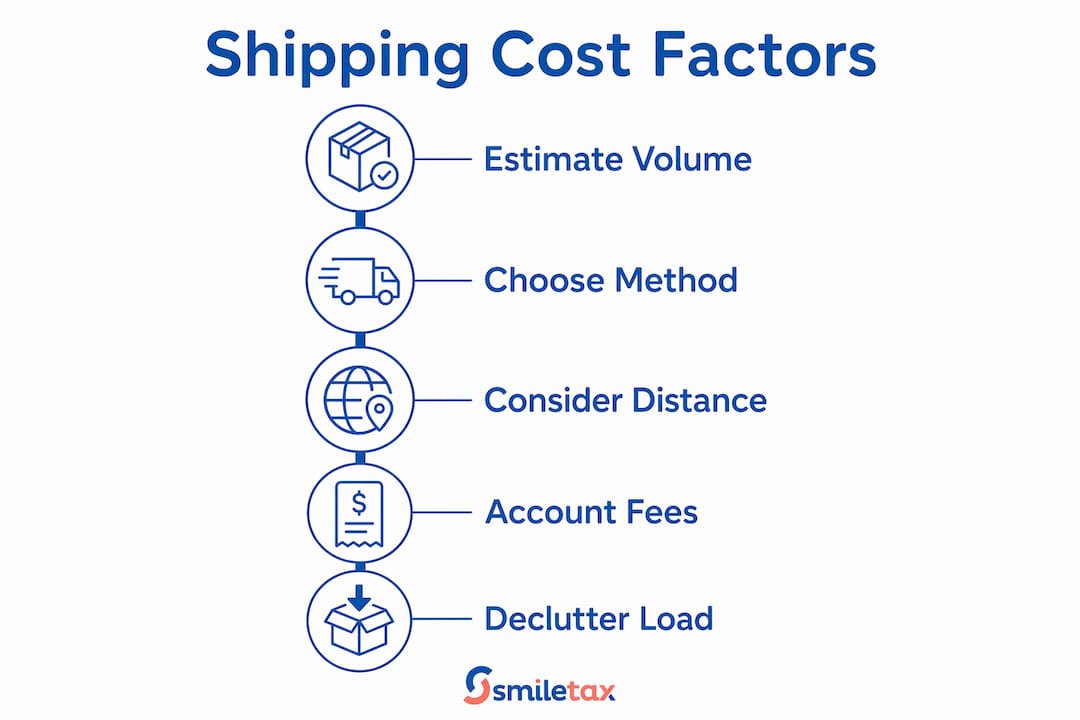
The tipping point between LCL and FCL is roughly 15 cubic meters. Below that threshold, paying for a shared container slot is cheaper than booking a full 20-foot container. Above 15 cubic meters, a full container often works out to a lower per-cubic-meter rate and gives you more control over transit timing.
A simple decision framework based on shipment size:
- Under 5 cubic meters: LCL sea freight or air freight for urgent items
- 5–15 cubic meters: LCL sea freight is almost always the best value
- 15–30 cubic meters: FCL in a 20-foot container
- Over 30 cubic meters: FCL in a 40-foot container
Tip: Decluttering aggressively before you pack, not after, is where the real savings happen. Cutting your shipment volume by 30%–50% is realistic for most households and can reduce your total shipping cost by a comparable margin.
What customs, documentation, and insurance do you need?
Customs paperwork is where many expat moves go wrong. Every international shipment requires a detailed inventory list with item descriptions, quantities, and declared values. Missing or vague documentation causes delays at the destination port, and port storage fees accumulate daily. Getting the paperwork right the first time is not optional.
Common extra fees that catch people off guard include:
- Customs brokerage fees: Charged by the agent who clears your goods through customs at the destination. These range from $150 to $400 depending on the country.
- Port handling and terminal fees: Charged by the destination port, typically $100–$300.
- Fuel surcharges: Added by most carriers and can change between quote and shipment date.
- Quarantine or biosecurity inspections: Mandatory in countries like Australia and New Zealand, adding $200–$500 or more.
Obtaining a flat-rate, door-to-door quote that includes all surcharges is the best way to avoid surprise charges at the destination. Ask every freight forwarder explicitly whether their quote covers customs brokerage, port handling, and delivery to your new address. If they cannot confirm this, the quote is incomplete.
Marine insurance is non-negotiable for sea freight. Industry-standard premiums run 1.5%–2.5% of the declared value of your goods. On a $20,000 shipment, that is $300–$500 for coverage against loss, theft, or damage at sea. Skipping insurance to save that amount is a poor trade when a single incident can wipe out the entire shipment’s value.
Professional packing substantially reduces damage and speeds customs clearance. Damage from improper packing often voids insurance claims entirely. If you pack yourself, use double-walled boxes, wrap fragile items in bubble wrap, and label every box clearly with contents and destination address.
Restricted and prohibited items vary by country. Common problem items include certain foods, plants, soil, firearms, and some medications. Check the customs authority website for your destination country before you pack. Prohibited items can cause your entire shipment to be held or returned.
How do you decide what to ship versus sell and repurchase?
Not everything you own is worth the cost of shipping overseas. The cost-benefit calculation is straightforward: if an item costs more to ship than it would cost to replace at your destination, sell it before you leave. Furniture is the most common example. A basic sofa that costs $800 to replace locally may cost $400–$600 in shipping fees alone, making it borderline. A custom or antique piece with sentimental or financial value is worth shipping.
Items that almost always make sense to ship:
- Clothing and personal items: High volume relative to replacement cost
- Books and documents: Irreplaceable or expensive to replace
- Electronics: Familiar devices, especially if voltage-compatible
- Children’s belongings: Familiar toys and comfort items ease the transition
- Specialty tools or equipment: Hard to source or expensive abroad
Items that often make more sense to sell:
- Large furniture: Bulky, heavy, and often cheaper to replace locally
- Appliances: Voltage differences make many US appliances incompatible abroad
- Exercise equipment: Extremely heavy and bulky relative to value
- Cars: Shipping a vehicle adds $1,000–$4,000 and involves separate customs processes
Timing matters too. Sea freight takes 4–12 weeks, so you need a plan for the items you will need immediately on arrival. Ship non-essentials by sea and carry essentials in your luggage or send them by air. A detailed inventory spreadsheet with item values and estimated shipping costs helps you make these calls before moving day, not during the chaos of packing.
The hidden costs of moving abroad extend well beyond shipping. Storage fees, temporary accommodation while waiting for your shipment, and replacement purchases for items that did not survive transit all add up. Building a realistic moving budget before you commit to a shipping method prevents the most common financial surprises.
Key takeaways
Choosing sea freight over air freight and cutting shipment volume are the two decisions that most reliably prevent overpaying when shipping belongings overseas.
| Point | Details |
|---|---|
| Sea freight beats air on cost | LCL sea freight to Europe costs $900–$2,500; air freight costs 75%–85% more for the same volume. |
| Volume drives pricing | Shipping costs are calculated by cubic meters; decluttering 30%–50% cuts costs by a comparable margin. |
| Get all-in quotes | Always request flat-rate, door-to-door pricing that includes customs brokerage, port fees, and fuel surcharges. |
| Insure your shipment | Marine insurance at 1.5%–2.5% of declared value protects against loss or damage; skipping it is a false economy. |
| Sell, don’t ship, bulky items | Large furniture and US-voltage appliances are usually cheaper to replace abroad than to ship. |
The real cost of getting this wrong
The biggest mistake most people make is treating shipping as a single line item. They get one quote, assume it covers everything, and then face a bill at the destination port that is $500–$1,000 higher than expected. Port storage fees, customs brokerage charges, and fuel surcharges are real costs that incomplete quotes routinely omit.
The second mistake is shipping too much. The emotional pull to bring everything familiar is understandable, especially for families moving with children. But every cubic meter you add to a shipment costs money, and many of those items end up in storage or donated within the first year abroad. The expats who manage this best treat the move as a forced edit. They ship what genuinely matters and replace the rest locally, often discovering that the destination country has perfectly good versions of what they left behind.
Getting multiple quotes from at least three freight forwarders is not optional. Prices for the same route and volume can vary by 20%–30% between providers. Use the top relocation services available to Americans moving abroad to compare vetted options rather than starting from scratch.
Professional packing is worth the cost for fragile or high-value items. Self-packing saves money on labor but can void your insurance claim if damage occurs. For LCL shipments, working with an experienced consolidator who handles customs paperwork correctly reduces the risk of delays and unexpected fees at the destination.
Moving abroad? SmileTax is here for the whole transition
Moving overseas involves more than packing boxes. Once you arrive, your US tax filing obligations follow you. SmileTax works specifically with Americans living abroad, including international teachers, NGO professionals, and long-term expats, who need their US taxes handled accurately and without drama. Every client works directly with an experienced US tax professional. There is no generic software and no handoffs to unknown preparers. If you are planning a move and want to understand your US filing obligations abroad, SmileTax makes that part of the transition straightforward and stress-free.
FAQ
What is the cheapest way to ship belongings overseas?
LCL sea freight is the cheapest method for most moves, with shared container costs to Europe ranging from $900 to $2,500. Reducing your shipment volume through decluttering delivers the biggest additional savings.
How far in advance should I book international shipping?
Book your freight forwarder at least 6–8 weeks before your move date. Sea freight transit alone takes 4–12 weeks, and booking early gives you time to compare quotes and complete customs paperwork without rushing.
Do I have to pay customs duties on my household goods?
Most countries allow duty-free import of used household goods for people establishing residency, but you typically need proof of residency and a detailed inventory. Requirements vary by country, so check the destination country’s customs authority website before shipping.
Is marine insurance worth the cost for overseas shipments?
Marine insurance at 1.5%–2.5% of declared value is worth the cost. Loss and damage during ocean transit are real risks, and improper packing or an uninsured shipment can result in total financial loss with no recourse.
What items should I not bother shipping overseas?
Large furniture, US-voltage appliances, and exercise equipment are rarely worth shipping. The combined cost of freight, insurance, and customs often exceeds local replacement cost, and these items are widely available in most destination countries.