

Costa Rica has become one of the most popular destinations for Americans considering a move abroad, and it’s easy to see why. The climate is stunning, the healthcare is solid, and the cost of living can be significantly lower than most US cities. But moving to Costa Rica from the USA involves far more than booking a one-way flight. Many expats underestimate the legal, logistical, and cultural steps involved, and a surprising number return home within the first two years. This guide covers everything you need to know before you go, from visa options and budgeting to daily life and cultural adjustment.
Table of Contents
- Key takeaways
- Visa and residency options for US citizens
- Financial planning and budgeting essentials
- Shipping, housing, and settling in
- Cultural adaptation and daily life
- What successful relocation actually looks like
- Support for Americans living abroad
- FAQ
Key takeaways
| Point | Details |
|---|---|
| Plan for 3 to 6 months | A well-planned timeline with scouting trips and document prep prevents costly mistakes. |
| Choose your visa carefully | Five main residency pathways exist, each with different income or investment thresholds. |
| Budget $8,000 to $15,000 upfront | One-time setup costs include attorney fees, deposits, and initial relocation expenses. |
| Apostille documents before you leave | US vital records must be apostilled stateside. Doing it in Costa Rica is expensive and slow. |
| Embrace a different pace | The “pura vida” mindset shapes daily life and official processes alike. Patience is not optional. |
Visa and residency options for US citizens
US citizens can enter Costa Rica visa-free for 180 days on a tourist stamp. That sounds generous, but it is not a long-term solution. Once you decide to stay permanently, you will need to apply for legal residency, and the pathway you choose matters enormously.
Here is a comparison of the main options:
| Residency type | Key requirement | Best for |
|---|---|---|
| Pensionado | $1,000/month pension income | Retirees with Social Security or pension |
| Rentista | $2,500/month passive income or $60,000 bank deposit | Those with investment or rental income |
| Inversionista | $150,000+ qualifying investment | Investors buying property or a business |
| Digital Nomad | $3,000/month foreign-sourced income | Remote workers employed by foreign companies |
| Family-based | Relationship to a Costa Rican citizen or resident | Spouses and dependents |
Each pathway has specific documentation requirements, and processing times range from 3 to 12 months depending on the visa type and how complete your application is. The Pensionado visa is the most popular choice among American retirees because the income threshold is relatively modest and the process is well-established.
A few important details to know before you apply:
- All vital documents, including birth certificates, marriage certificates, and background checks, must be apostilled in the US before you arrive. Attempting to do this from Costa Rica is significantly more expensive and time-consuming.
- For the Inversionista visa, the $150,000 investment must be held in your personal name. Corporate ownership does not qualify for residency purposes.
- Immigration law in Costa Rica changes frequently. Hiring a licensed immigration attorney is strongly recommended, with fees typically running $1,500 to $3,000.
The attorney cost is worth it. Errors in the application process can set you back months and cost more than the attorney fee in the long run.
Financial planning and budgeting essentials
Getting your finances in order before relocating to Costa Rica is one of the most practical things you can do. The good news is that life in Costa Rica can be genuinely affordable. The reality is that the first year involves significant one-time costs that many people do not anticipate.

| Expense category | Estimated cost |
|---|---|
| Immigration attorney | $1,500 to $3,000 |
| Rental deposit and first month | $1,500 to $3,000 |
| Shipping and customs (20-foot container) | $5,000 to $8,000 |
| Document apostille and translation | $500 to $1,000 |
| Total one-time setup (couple) | $8,000 to $15,000 |
Monthly living costs vary widely by region and lifestyle. A couple living modestly in a smaller town might spend $2,500 to $3,500 per month, while those in San José or the beach communities of Guanacaste can easily spend $4,500 or more. Rent is the biggest variable. A comfortable two-bedroom apartment in a mid-range neighborhood runs $800 to $1,500 per month, while beachfront properties command significantly more.
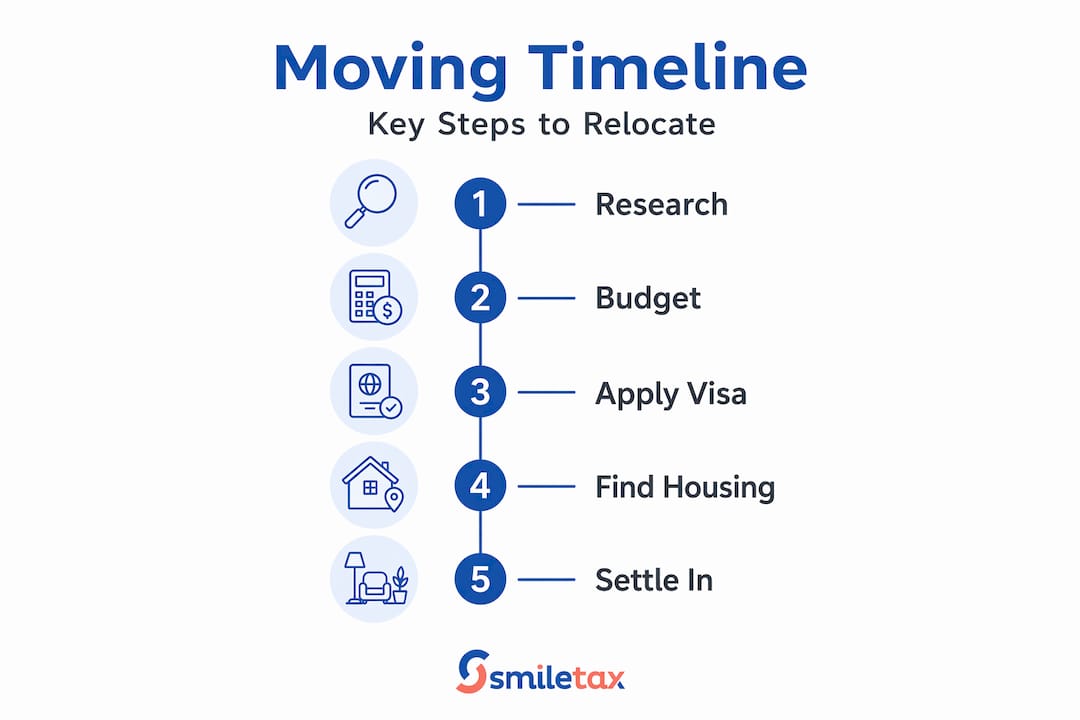
Banking is a common pain point for new arrivals. Legal residency is required to open a local bank account, which means you could be waiting months before you can bank locally. The practical solution is to set up international-friendly accounts before you leave. Charles Schwab’s checking account reimburses ATM fees worldwide and is a favorite among expats. Wise is another strong option for transferring money and paying bills in colones.
Tip: Open a Charles Schwab or Wise account at least 60 days before your move. These accounts give you fee-free access to your money from day one and reduce your dependence on local banking while your residency application is pending.
Shipping, housing, and settling in
The physical act of moving to Central America involves decisions that will directly affect your budget and your stress levels. The most important one is what to bring.
Shipping furniture and vehicles to Costa Rica is expensive. Import taxes on vehicles and household goods can add 50 to 80 percent to the original value, making a 20-foot container shipment cost $5,000 to $8,000 before you even factor in customs duties. Most experienced expats recommend shipping only irreplaceable personal items, clothing, electronics, and documents. Furniture, appliances, and vehicles are almost always cheaper to buy locally after you arrive.
When it comes to housing, resist the urge to sign a long-term lease before you have spent time in the country. Here is a smarter approach:
- Book a furnished short-term rental for your first one to three months. This gives you time to explore neighborhoods without commitment.
- Spend time in multiple regions before deciding where to settle. The Central Valley (San José, Escazú, Santa Ana) offers cooler temperatures and urban convenience. The Pacific coast (Tamarindo, Nosara, Jacó) suits beach lovers. The Southern Zone (Uvita, Dominical) attracts those seeking a quieter, more natural lifestyle.
- Visit local Facebook groups and expat forums to find housing leads. Many of the best rentals never appear on formal listing sites.
- Confirm that utilities, internet, and water are included or clearly priced before signing anything.
On the topic of timing, moving during the dry season (December through April) makes the logistics significantly smoother. The rainy season, which runs from May through November, can cause road delays, shipping complications, and difficulties with property inspections. If you have flexibility, plan your arrival for January or February.
Setting up internet is generally straightforward in urban areas. Providers like Kolbi, Claro, and Liberty offer reliable service in most towns. In rural areas, connectivity can be inconsistent, so this is worth researching before committing to a remote location, especially if you work remotely.
Cultural adaptation and daily life
Relocating to Costa Rica is not just a change of address. It is a genuine lifestyle shift, and the expats who thrive are the ones who approach that shift with curiosity rather than resistance.
Understand “pura vida” as a philosophy, not just a phrase. The local pace affects everything, from how quickly contractors show up to how long a government appointment takes. Frustration is a natural first response. Acceptance is what makes long-term life enjoyable.
Learn Spanish. English is widely spoken in tourist areas and expat communities, but it is not universal. Learning even conversational Spanish opens up relationships, reduces dependence on others for errands and appointments, and signals genuine respect for the culture. Apps like Duolingo are a start, but local tutors or group classes will accelerate your progress dramatically.
Build community intentionally. Loneliness is one of the most underreported challenges of expat life. Costa Rica has active expat communities in most major regions, with regular meetups, sports leagues, and volunteer organizations. Getting involved early makes a significant difference.
Understand your healthcare options. Costa Rica has two systems running in parallel. The public Caja Costarricense de Seguro Social (CCSSS, commonly called “La Caja”) is available to legal residents and offers low-cost care. Private healthcare is widely available, with quality hospitals and clinics in San José and the major beach towns. Many expats use a combination of both, relying on private care for faster appointments and specialist access.
Tip: Once you have legal residency, enrolling in La Caja is mandatory and costs roughly 7 to 11 percent of your declared income. Factor this into your monthly budget from the start.
What successful relocation actually looks like
Most people who struggle with the move to Costa Rica share one thing in common: they treated it as a single event rather than a multi-stage process. They packed up, arrived, and expected life to quickly normalize. When the bureaucracy moved slowly, the contractor canceled twice, and the bank account took four months to open, they felt blindsided.
The expats who do well approach the move the way you would approach a complex project. They do scouting trips first. They hire professionals for the legal work. They give themselves a realistic 12-month adjustment window before drawing conclusions about whether the move is working.
Cultural differences are not obstacles to overcome. They are the reality of life in a different country. The pace, the communication style, the relationship between time and commitment: these things are genuinely different in Costa Rica, and patience and flexibility are not soft skills here. They are survival skills. The expats who come with that mindset tend to stay. The ones who arrive expecting Costa Rica to eventually operate like the US tend to go home.
Support for Americans living abroad
Moving abroad is a big step, and having the right professional support in place makes the transition considerably smoother. For legal matters, a licensed Costa Rican immigration attorney is worth every dollar. For employment questions, resources like GENTY recruitment can help you understand the local job market if you are considering working in-country.
For Americans abroad who also need to stay on top of their US obligations, SmileTax works specifically with expats, retirees, and internationally employed Americans who want their US filing handled by a real professional who understands the realities of life overseas. Whether you are a retiree drawing a pension, a remote worker earning foreign income, or a long-term expat with ongoing filing requirements, SmileTax offers clear pricing and direct access to experienced professionals. No software handoffs, no guesswork.
FAQ
How long can US citizens stay in Costa Rica without a visa?
US citizens can stay in Costa Rica for up to 180 days on a tourist stamp without a visa. After that, legal residency is required for continued long-term stays.
What is the cheapest residency visa for Costa Rica?
The Pensionado visa is generally the most accessible, requiring just $1,000 per month in pension income. It is the most popular option among American retirees relocating to Costa Rica.
How much money do you need to move to Costa Rica from the USA?
Couples should budget $8,000 to $15,000 for one-time setup costs, including attorney fees, deposits, and shipping. Monthly living expenses typically range from $2,500 to $4,500 depending on location and lifestyle.
Do I need to speak Spanish to live in Costa Rica?
Spanish is the official language, and while English is common in expat and tourist areas, learning conversational Spanish significantly improves daily life and helps build genuine connections with local communities.
Is Costa Rica a good place to retire for Americans?
Costa Rica is consistently ranked among the top retirement destinations for Americans due to its affordable cost of living, quality healthcare, stable democracy, and welcoming expat communities. The Pensionado visa is specifically designed for retirees.